
The Bloodied Rose Raven A Dark Gothic Vampire Romance of Blood Magic and Forbidden Love

Some vampire stories begin with a bite. The Bloodied Rose: Raven begins with a marriage that feels more like a sentence.
Raven Velacroix has always known her family is losing power, but she has never been told the full truth. On the night she is forced into a blood marriage with Lucien Morvayne, lord of one of the most feared vampire houses, she learns that her future was promised long before she had any say in it. Their union is not only political. It is part of an ancient seal, one holding back a horror buried beneath the vampire world.
This is a dark gothic vampire romance built on forced marriage, ancient bloodlines, shadow magic, betrayal, and the painful difference between being chosen and being claimed.
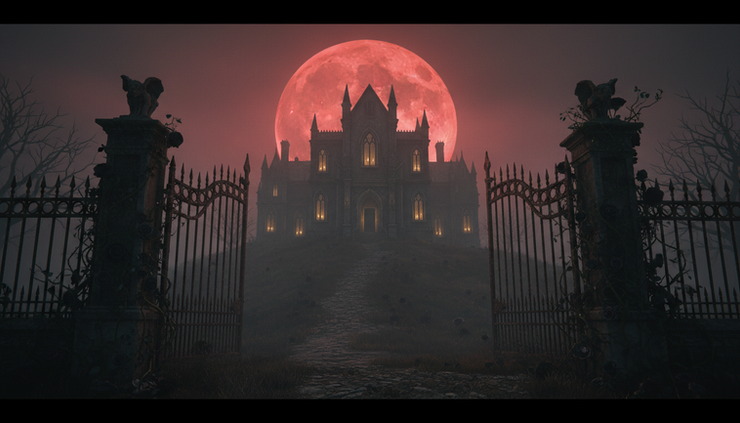
A blood marriage with consequences far beyond romance
At the heart of The Bloodied Rose: Raven is a marriage Raven does not ask for.
Forced marriage in gothic romance often works because it places emotion and danger in the same room. Raven is not simply marrying a powerful vampire lord. She is being tied to Lucien Morvayne through blood, lineage, and a legacy everyone around her seems to understand better than she does.
That imbalance gives the story its immediate tension. Raven is not entering a grand romance with open eyes. She is stepping into a ritual, a political bargain, and a supernatural duty. The marriage is meant to strengthen a seal that has protected the vampire world for centuries, but for Raven, it feels like another chain placed around her life.
Lucien is no gentle rescuer. He is a lord of shadows, shaped by a feared house and bound to responsibilities of his own. His name carries power, but also suspicion. Raven has every reason to distrust him, even while the blood bond between them pulls them closer.
That makes the romance darker and more complicated than simple attraction. The central question is not whether Raven and Lucien feel something. It is whether love can survive when it begins inside a structure built by other people.
Can Raven choose freely when ancient blood magic has already chosen for her?
Can Lucien love without becoming another jailer?
These are the kinds of questions that give gothic romance its bite.
The vampire world hides an older nightmare
The novel widens beyond the marriage almost at once. The vampire houses have long hidden a brutal truth about their origins. Vampires were not the first creatures of the night. They were created as soldiers by the Noctari, beautiful and monstrous winged beings who once sought to erase humanity from the world.
That history shifts the whole shape of the story.
Vampires are not only predators here. They are descendants of rebellion. Their power comes with shame, secrecy, and fear. The noble houses carry glamour and authority, but their rule rests on a buried crime and a prison that is starting to fail.
The Velacroix and Morvayne lines are central to that prison. Velacroix blood became the lock. Morvayne shadow became the chain. Raven’s marriage to Lucien is not a social arrangement dressed in silk and candlelight. It is a desperate attempt to keep something ancient from waking.
This gives the book a layered supernatural mythology. It has the intimacy of romance, but also the scale of gothic fantasy. Courtly whispers, old bloodlines, forbidden magic, and ancestral guilt all press against the story.
For readers who enjoy Vampire romance books with a strong mythic backbone, this is the kind of premise that offers more than longing glances and dangerous kisses. The romance matters because the world around it is cracking.

Raven Velacroix is caught between duty and identity
Raven’s conflict is powerful because it is personal before it is supernatural.
She has always known her family was fading. That alone suggests loss, silence, and a slow fall from former strength. What she does not know is why. When the truth arrives, it does not come gently. It arrives through a marriage ritual, through political pressure, and through the revelation that her blood has been useful to others for generations.
Raven’s life has never truly been her own.
That is one of the most compelling gothic ideas in the book. A heroine discovers that the walls around her were built long before her birth. Her family name, her body, her love, and her future have all been folded into a history she did not create.
Yet Raven is not interesting because she suffers. She is interesting because she has to decide what to do with the truth.
The story places her between several dangerous forces:
A family legacy that demands obedience
A husband whose shadowed loyalty remains uncertain
A ruling Council built on secrets
A former love who returns with accusations
An ancient enemy rising beneath the earth
Each pressure asks Raven to surrender a different part of herself. Her trust. Her anger. Her desire. Her sense of reality. The gothic mood grows from that pressure. It is not only castles, blood, and candlelit corridors. It is the feeling of being trapped inside a life scripted by the dead.
Lucien Morvayne brings shadow, power, and uncertainty
Lucien Morvayne stands at the centre of the book’s romantic tension. He is lord of one of the most feared vampire houses, which tells us something at once. He is not merely a love interest. He is a political force.
His family’s shadow magic forms part of the ancient chain holding back the Noctari. That makes Lucien necessary, but necessity is not the same as trust. Raven is forced to ask whether he is protecting her, using her, or both.
The most effective dark romantic heroes often live in that uncertain space. They may be dangerous, but danger alone is not enough. They need restraint. They need secrets. They need the possibility of tenderness, even if it comes wrapped in control.
Lucien’s role promises all of that.
His connection to Raven begins through duty, but the book’s emotional stakes depend on whether that duty can become a choice. The description makes one thing clear. Love in this story must be chosen freely, or it becomes another chain.
That line cuts straight to the heart of the novel. In a world where blood has legal, magical, and historical power, consent becomes more than an emotional matter. It becomes a rebellion.
Darius returns with accusations and old wounds
The story grows sharper when Darius returns.
He is the man Raven once loved, a hunter marked by old secrets, and his arrival threatens everything she is beginning to understand. He claims Lucien’s family helped ruin his life. Lucien claims Darius is more dangerous than Raven knows.
That triangle is not simply romantic competition. It is a clash of histories.
Darius brings the pain of captivity and accusation. Lucien brings power and concealment. Raven is left in the middle, trying to separate truth from manipulation while her own blood is tied to the failing seal.
This is where the novel’s emotional conflict meets its political intrigue. Council conspiracies, buried histories, and forbidden blood magic all feed the central uncertainty. Everyone has a version of the past. Everyone has a reason to hide something.
The tension works because Raven cannot afford to choose badly. If she trusts the wrong person, she may lose more than her heart. She may help break the prison beneath the vampire world.

Hadeon of the First Wing makes the horror feel ancient
Romance may pull the reader close, but Hadeon of the First Wing gives the book its larger terror.
He is not a villain concerned with heartbreak, jealousy, or court politics. He is something older. Something imprisoned. Something that remembers betrayal.
That distinction matters. The vampire houses may scheme and lie, but their world still has rules. Hadeon belongs to a deeper horror. He comes from the time before vampires ruled the night, when the Noctari created them as soldiers and tried to erase humanity.
The prison beneath the vampire world is beginning to crack, and Hadeon is waking.
That image gives the story a strong atmospheric pull. Beneath every argument, every kiss, every Council secret, there is the pressure of something buried. The earth itself becomes threatening. The past is not dead history. It is a locked door with something breathing on the other side.
For anyone searching the Supernatural paranormal side of gothic fantasy, this kind of ancient enemy adds weight. The romance matters, but it unfolds under the shadow of apocalypse.
Why gothic vampire romance still feels so powerful
Vampire fiction endures because it gives physical shape to forbidden desire, fear of power, hunger, immortality, and loss. Gothic romance adds another layer. It places those feelings inside houses full of secrets, families shaped by curses, and love stories haunted by the past.
The Bloodied Rose: Raven uses many of the genre’s strongest ingredients:
Forced proximity through a dangerous marriage
Blood magic that makes intimacy perilous
Noble houses hiding corruption and old crimes
A heroine trapped by inheritance
A shadowed lord with divided loyalties
A former love who may be victim, threat, or both
An ancient being rising from imprisonment
These elements create a mood that feels rich, dark, and claustrophobic. The promise is not comfort. The promise is intensity.
Readers drawn to the atmosphere of Dracula or the immortal melancholy of Interview with the Vampire may find familiar pleasures here, especially in the focus on buried history, seductive danger, and the cost of eternal power. The book is not simply about vampires as monsters or lovers. It is about vampires as heirs to a sin they may not be able to survive.
A story about love that must not become a chain
The most haunting idea in the book is also the most human one.
Raven and Lucien are bound by blood, law, and ancient design. Their marriage serves a purpose before it has the chance to become a relationship. Around them, powerful houses treat love, lineage, and loyalty as tools.
So the emotional question becomes urgent. If love grows inside a cage, can it ever be free?
That question gives the romance its ache. Raven must decide what belongs to duty and what belongs to her own heart. Lucien must prove whether his protection is different from possession. Darius forces old feeling back into the light, but his return also muddies the truth.
The result is a romance built on pressure rather than ease. Every tender moment carries risk. Every secret has a cost. Every choice may strengthen the seal or break it.
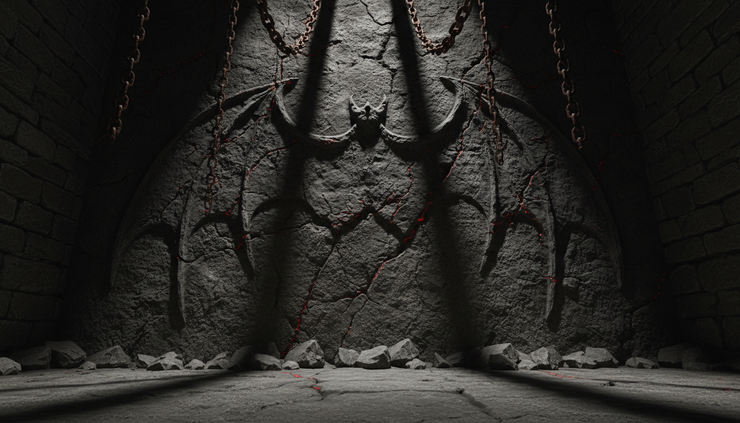
Who should read The Bloodied Rose Raven
The Bloodied Rose: Raven is a strong fit for readers who like their romance dark, atmospheric, and tangled with danger. It leans into gothic fantasy rather than a light paranormal romance mood. The world is full of old houses, old lies, and old magic that refuses to stay buried.
It will appeal most to readers who enjoy:
Dark vampire romance with political tension
Forced marriage stories where consent and choice matter
Blood-bound lovers and forbidden magic
Gothic settings with horror beneath the romance
Ancient bloodlines and family secrets
Love triangles shaped by betrayal rather than simple jealousy
Vampire mythology that reaches beyond the usual rules
The novel’s central appeal is its mix of intimacy and scale. Raven’s heart matters, but so does the prison beneath the earth. Lucien’s secrets matter, but so does the origin of the vampire bloodlines. Darius’s accusations matter, but so does the ancient winged enemy waking below them all.
That balance gives the story its dark pull. It is romantic, but never soft. It is gothic, but not decorative. It treats blood as inheritance, power, prison, and promise.
If Raven is to survive, she must learn which bonds protect her and which ones were designed to own her.
For readers ready to enter a world of blood marriage, shadow magic, forbidden love, and ancient horror, find The Bloodied Rose: Raven on Amazon.
The rose is bloodied. The seal is failing. Raven’s choice may be the only thing stronger than the chains built around her.


Comments